
eSIM for Field Technicians: Mobility and Fast Deployment
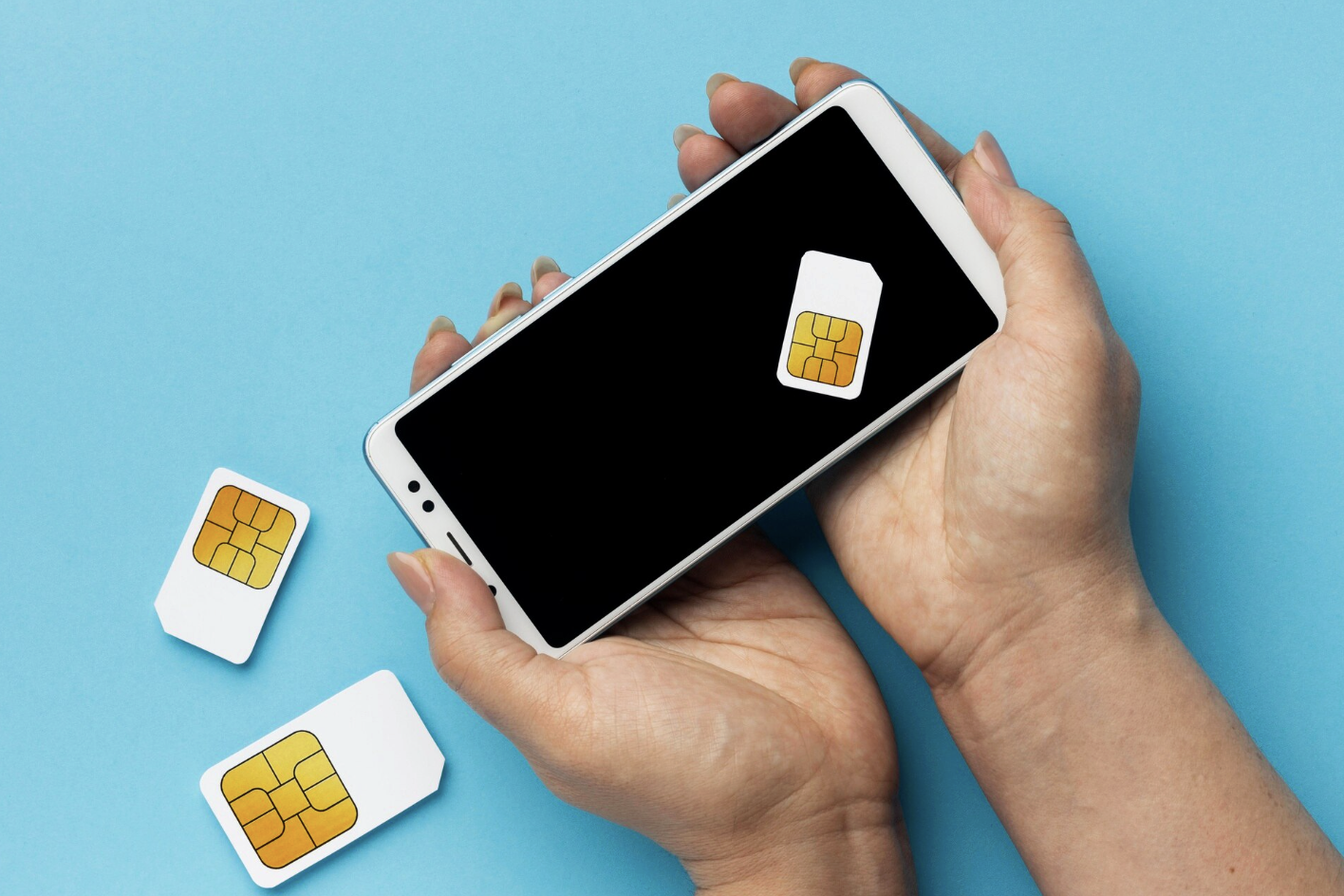
A field technician who starts a job with no network is already starting on the wrong foot. No way to pull up the client file, contact support, or report a critical update in real time. Yet in many companies, mobile connectivity for these teams still relies on logistics designed for desk-bound work: a physical SIM card, a carrier switch that takes the device out of service, a replacement process that takes days after a loss. eSIM changes this equation, provided you understand what it actually changes on the ground.
The classic SIM logistics problem for mobile teams
Equipping a field technician with a physical SIM card means going through a full logistics cycle: ordering, delivery, manual insertion, then waiting for activation. If the device is lost or damaged, that whole cycle starts again, often in the middle of a job. For a company managing dozens of technicians spread across the field, these delays add up and end up weighing directly on service responsiveness.
What eSIM actually changes for a field technician
eSIM removes the physical card and its management cycle entirely. The mobile profile is activated remotely, directly from a compatible smartphone or tablet, with no physical handling of the device required. A technician who changes region, plan, or device can be reconfigured in minutes, without a trip to a retail point or waiting for a new card to arrive. This is one of the arguments that comes up most often when comparing a classic SIM setup to an eSIM one: management flexibility matters far more than the physical support itself.
Fast deployment: onboarding a new hire in minutes
For companies that regularly hire or replace field technicians, speed of provisioning is a direct productivity issue. With eSIM, activating a mobile profile no longer depends on an external logistics delay: it can be triggered from a central IT console, even remotely. This ties into a broader question already worth asking about the mobile hardware issued to teams, where the speed and reliability of provisioning matter just as much as the device itself.
Reliable connectivity even away from the office
A field technician doesn't have the luxury of a stable Wi-Fi network. They depend almost entirely on mobile connectivity, which makes the quality and continuity of that connection even more critical. It's the same logic behind why Wi-Fi alone is no longer enough for teams that need to stay reachable: real mobility requires infrastructure designed to work outside the company's walls, not just inside them.
eSIM and newer devices: a natural convergence
The latest professional smartphones increasingly build in features designed for mobility and field use, from remote management to embedded AI that filters or prioritizes communications. This hardware shift makes eSIM even more relevant: it fits naturally into devices already designed for simplified remote management, rather than a physical card model inherited from an earlier era.
What an eSIM rollout changes for the IT team
For IT teams, eSIM removes a largely invisible but very real operational burden: managing SIM card stock, tracking losses, and going back and forth with the carrier for every hardware incident. It centralizes activation and line management, which also makes it easier to oversee the entire mobile fleet, similar to how a smoother shift to unified communications reduces friction for hybrid teams: less technical friction, more time spent on the actual work.
An often underestimated piece of field mobility
eSIM isn't just a minor technical upgrade. For a company whose business depends on mobile teams that are spread out and hard to equip quickly, it turns a recurring logistics constraint into a process that can be managed from a single console. It's a simple lever to put in place, with a direct impact on how quickly field teams can respond.
Simplify how you equip your field teams. Try Un1ty for free
Unify your voice and data.
Test the power of connected telephony.

.png)
.png)
.png)
